




Meiyuan Makeup Brush Manufacturer


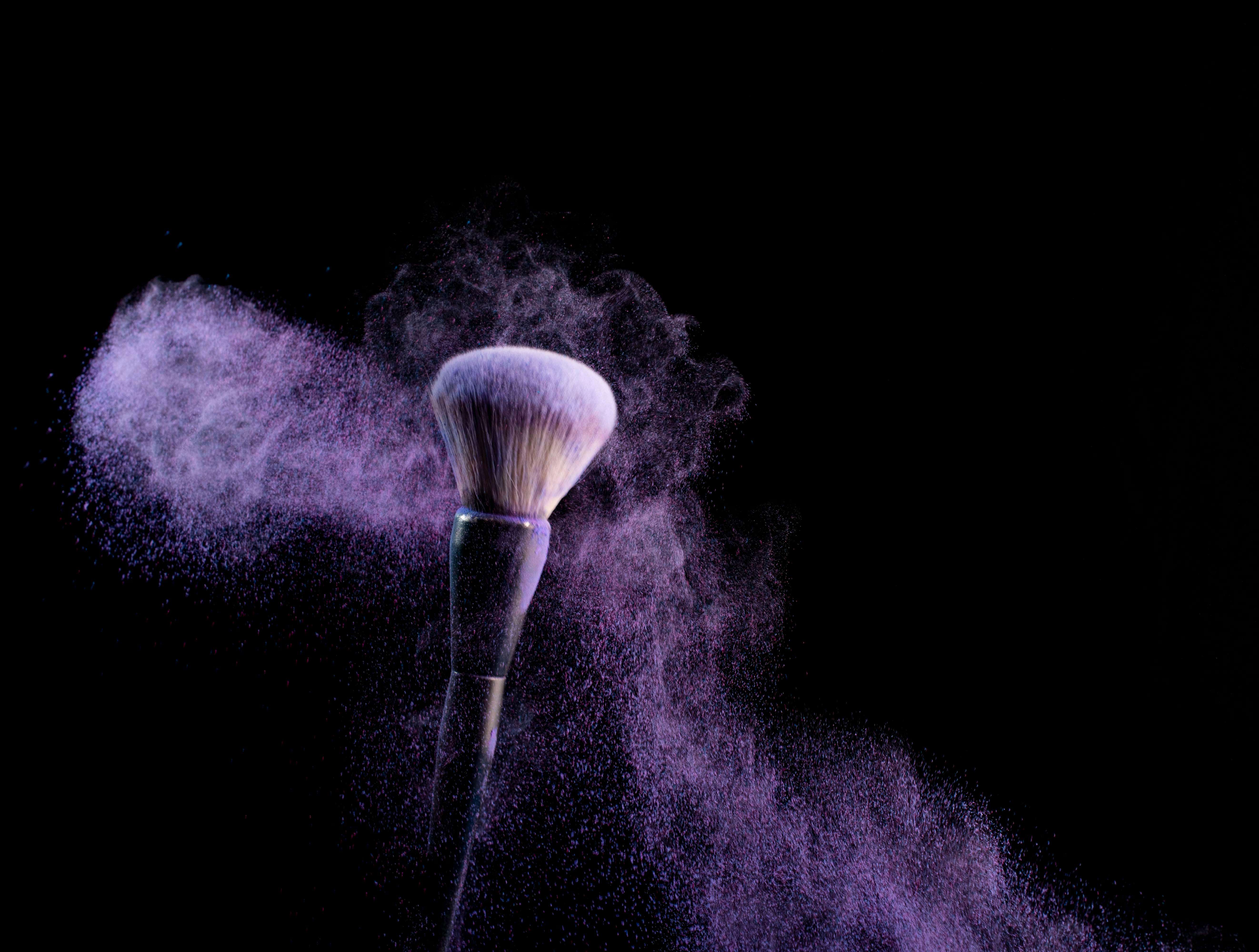
Choosing the right makeup brush can completely change how your makeup looks.
The same foundation or powder may look smooth and natural with one brush, but uneven or heavy with another. As we move into 2026, makeup brushes have improved a lot in terms of materials, structure, and performance. Understanding these changes makes it much easier to choose the right brushes.
This guide is written in a clear, easy-to-read format, so it works well on web pages and is comfortable for readers on both desktop and mobile.
Before buying a large brush set, start with one simple question:
Which makeup products do you actually use every day?
Most people do not need a full collection of brushes.
You usually only need:
One foundation brush
One powder brush
One blush brush
These three brushes can handle more than 80% of daily makeup looks.
If you want more detail and definition, you can add:
Contour brushes
Highlighter brushes
Multiple eyeshadow brushes
Buying too many brushes at once often causes confusion.
Fewer brushes, when used correctly, usually give better results.
Key takeaway: Focus on function first. Quantity comes later.
In 2026, most professional makeup artists and brands prefer high-quality synthetic brushes.
More hygienic and easier to clean
Absorb less product, reducing waste
Work well with liquid, cream, and powder formulas
Cruelty-free and consistent in quality
Modern synthetic fibers are now very soft and flexible, closely matching the feel of natural hair.
Natural hair brushes are still used by some artists, but they are becoming less common because:
They require more maintenance
Quality can vary between batches
They do not perform well with liquid products
For most users and brands, synthetic brushes are the more practical long-term option.
Yes. Brush shape and density matter more than size.
Different shapes create different results:
Flat foundation brushes
Provide fuller coverage and smooth application
Rounded or domed brushes
Help blend makeup softly and evenly
Angled brushes
Ideal for contouring and defining facial structure
Tapered powder brushes
Offer better control and prevent over-application
A well-designed brush should make makeup easier, not harder.
The bristles are important, but they are not the only thing that matters.
When choosing a makeup brush, also look at:
Ferrule (metal part): Should be tightly secured to prevent shedding
Handle balance: A well-balanced handle improves control
Surface finish: Matte or soft-touch finishes offer a better grip
Poor construction often leads to loose hairs, uneven application, and a shorter product lifespan.
Different skin types and makeup formulas require different brushes.
Dense synthetic brushes
Smooth fibers that do not irritate the skin
Ultra-soft fibers
Rounded tips to reduce friction
Tightly packed synthetic brushes
Help create even, streak-free coverage
Fluffy brushes
Give a lighter, more natural finish
Matching the brush to both your skin type and makeup formula makes a noticeable difference.
If you are planning to launch a makeup brush line or source brushes in bulk, brush performance and manufacturing quality are equally important.
Professional buyers usually focus on:
Consistent fiber quality and shedding control
OEM / ODM customization options
Compliance with US and EU standards
Reliable production capacity and lead times
A well-made brush does more than apply makeup.
It helps build trust in your brand and improves long-term customer satisfaction.
The global cosmetics market in 2026 is moving faster than ever. Fu
READ FULLNavigating the cosmetics world in 2026 can feel intimidating for n
READ FULLThe cosmetics market in 2026 is defined by an absolute obsession w
READ FULL