




Meiyuan Makeup Brush Manufacturer


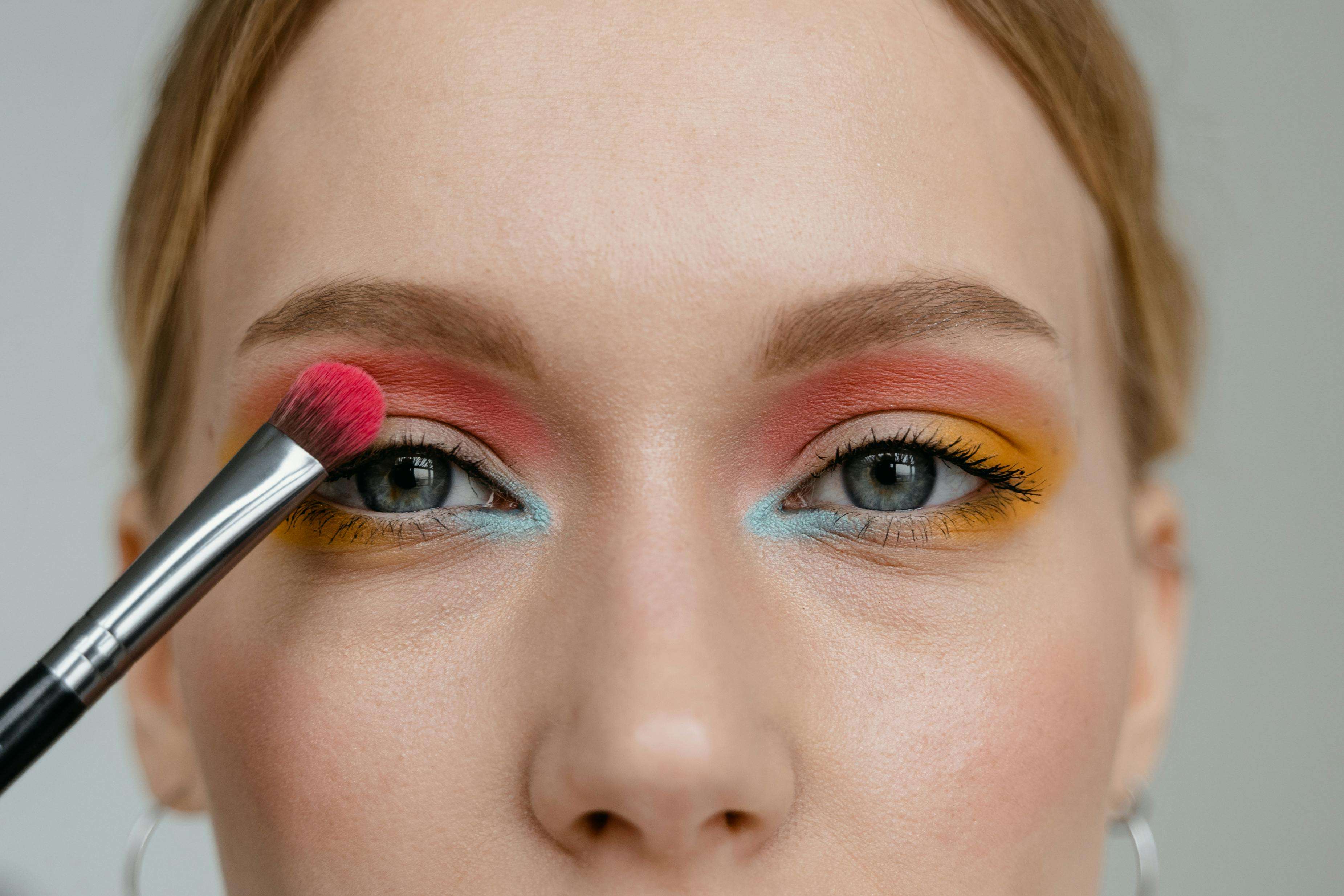
A natural makeup look is no longer about using fewer products — it’s about using the right tools. In 2026, professional makeup artists and beauty brands increasingly agree on one thing: tools shape the result more than the product itself.
This tool-first guide breaks down how to achieve a clean, natural makeup look by focusing on makeup brushes and application tools, explaining why technique and tool selection matter more than heavy formulas or trends.
The modern natural makeup look is:
A. Skin-focused, not product-heavy
B. Seamless blending with no visible lines
C. Lightweight coverage with real skin texture
D. Soft definition instead of sharp contours
Achieving this look consistently depends on precision tools, not fingers or one-size-fits-all brushes.
Even before foundation, tools matter.
Recommended tools:
a. Flat synthetic foundation brush for thin, even layers
b. Damp makeup sponge for pressing product into skin
Why tools matter:
Using hands often leaves uneven coverage and excess product. A dense, well-cut foundation brush helps distribute product evenly while maintaining a skin-like finish — essential for a natural look.
Tool-first tip: Use stippling or pressing motions instead of dragging.
Heavy coverage is the fastest way to lose a natural finish.
Best tools for natural base makeup:
a. Medium-density buffing brush for sheer foundations
b. Small precision concealer brush for targeted correction
Instead of layering product everywhere, use smaller brushes to correct only where needed — under eyes, around the nose, or redness zones.
This technique reduces product buildup and keeps the skin breathable.
In 2026, cream-based blushes, bronzers, and contours dominate natural makeup routines.
Ideal tools:
Rounded synthetic blush brush
Angled contour brush with soft edges
Synthetic fibers outperform natural hair for cream formulas because they:
Absorb less product
Blend more evenly
Are easier to clean
A properly designed cream brush allows seamless blending without harsh edges — critical for a natural look.
Natural eye makeup doesn’t mean skipping eye makeup — it means controlled softness.
Essential eye brushes:
Fluffy blending brush for transition shades
Small flat shader brush for subtle depth
Detail smudge brush for lash-line definition
Avoid stiff brushes that deposit too much pigment at once. Soft, flexible fibers help build color gradually and maintain a diffused finish.
For brows and lashes, less is more.
Recommended tools:
Dual-ended brow brush (angled + spoolie)
Fine lash comb or clean spoolie
A clean spoolie alone can soften brows and remove excess product — often enough for a natural look without adding more makeup.
Not all brushes perform the same.
High-quality makeup brushes offer:
Consistent fiber density
Balanced flexibility
Secure ferrules to prevent shedding
Poor-quality brushes often cause patchy blending and uneven product payoff — the opposite of a natural finish.
For brands and professionals, investing in well-designed tools improves both application results and customer satisfaction.
Dirty tools are one of the most common reasons makeup looks heavy or muddy.
Best practices:
Clean face brushes at least once a week
Clean cream-product brushes more frequently
Use gentle brush cleansers to maintain fiber integrity
Clean brushes ensure true color payoff and smooth blending — especially important for minimal makeup looks.
In 2026, natural makeup is no longer about skipping steps — it’s about using better tools with smarter techniques. A tool-first approach delivers consistent, skin-like results while using less product and creating less waste.
Whether you are a professional makeup artist, a beauty brand, or a conscious consumer, mastering natural makeup starts with choosing the right brushes — and using them intentionally.
The global cosmetics market in 2026 is moving faster than ever. Fu
READ FULLNavigating the cosmetics world in 2026 can feel intimidating for n
READ FULLThe cosmetics market in 2026 is defined by an absolute obsession w
READ FULL